
Is ChatGPT becoming a commodity? A software engineer's buyer's guide to AI tools
Overwhelmed by AI subscriptions? Master a cost-effective framework: avoid annual plans, prioritize workflow, and use API keys to maximize developer ROI.

Get the free AI Agent Building Blocks ebook when you subscribe:

The AI landscape for software engineers is overwhelming nowadays. Every week brings a new benchmark winner. Keeping up with these releases feels like a full-time job. You might feel the need to manage five different subscriptions just to stay relevant in the industry.
There are two kinds of markets, and the research will determine which one AI is in the end:
In a winner-takes-all market. The gap between the best tool and the second-best tool is usually massive. This means you always want to be with the best player available.
Commodity market: The cheapest one that does the job wins. For example, electricity. You don’t care where it came from and who obtained it; the value is the same.
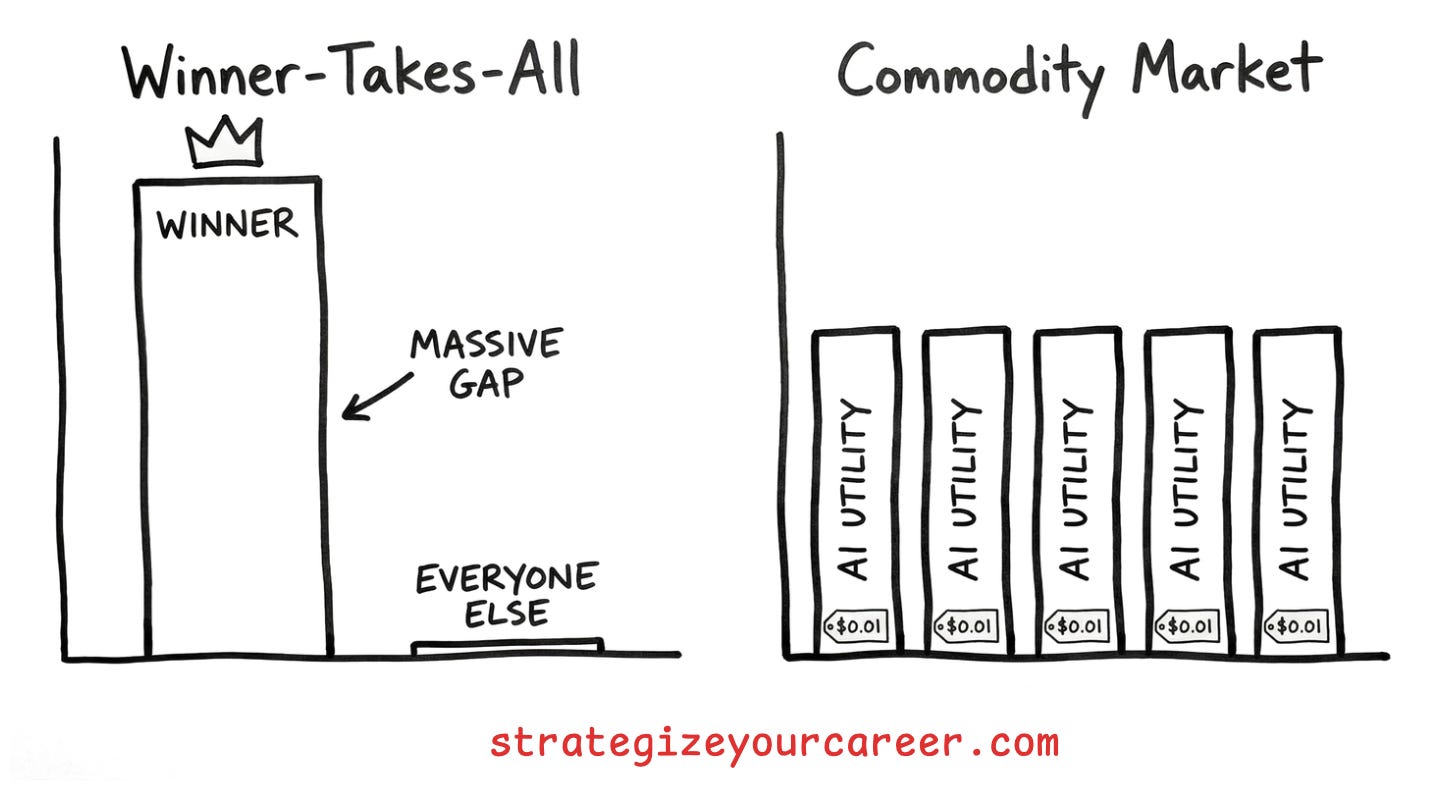
Because the market moves so fast, the best player often changes every six months. AI was behaving like a winner-takes-all where ChatGPT was king, but if all big players keep having these similar results, it will become a commodity like it’s happened in the last year.
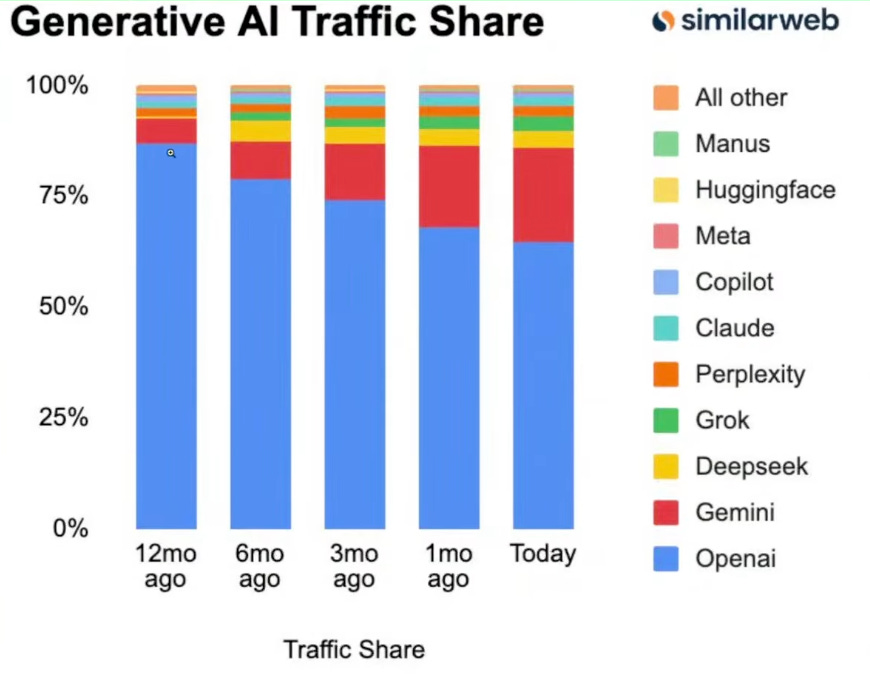
This guide is not about which specific tool you should buy today. It provides a framework for how to buy them to maximize your return on investment. You can avoid subscription fatigue while staying at the top of your professional game.
In this post, you’ll learn
How to manage subscriptions in a fast-moving market.
Something that matters more than benchmarks.
Strategies to treat AI tools as professional costs instead of entertainment costs.
The benefits of using your own API keys
The golden shopping rules for AI tools
Rule #1: The “No-Annual” AI Plans
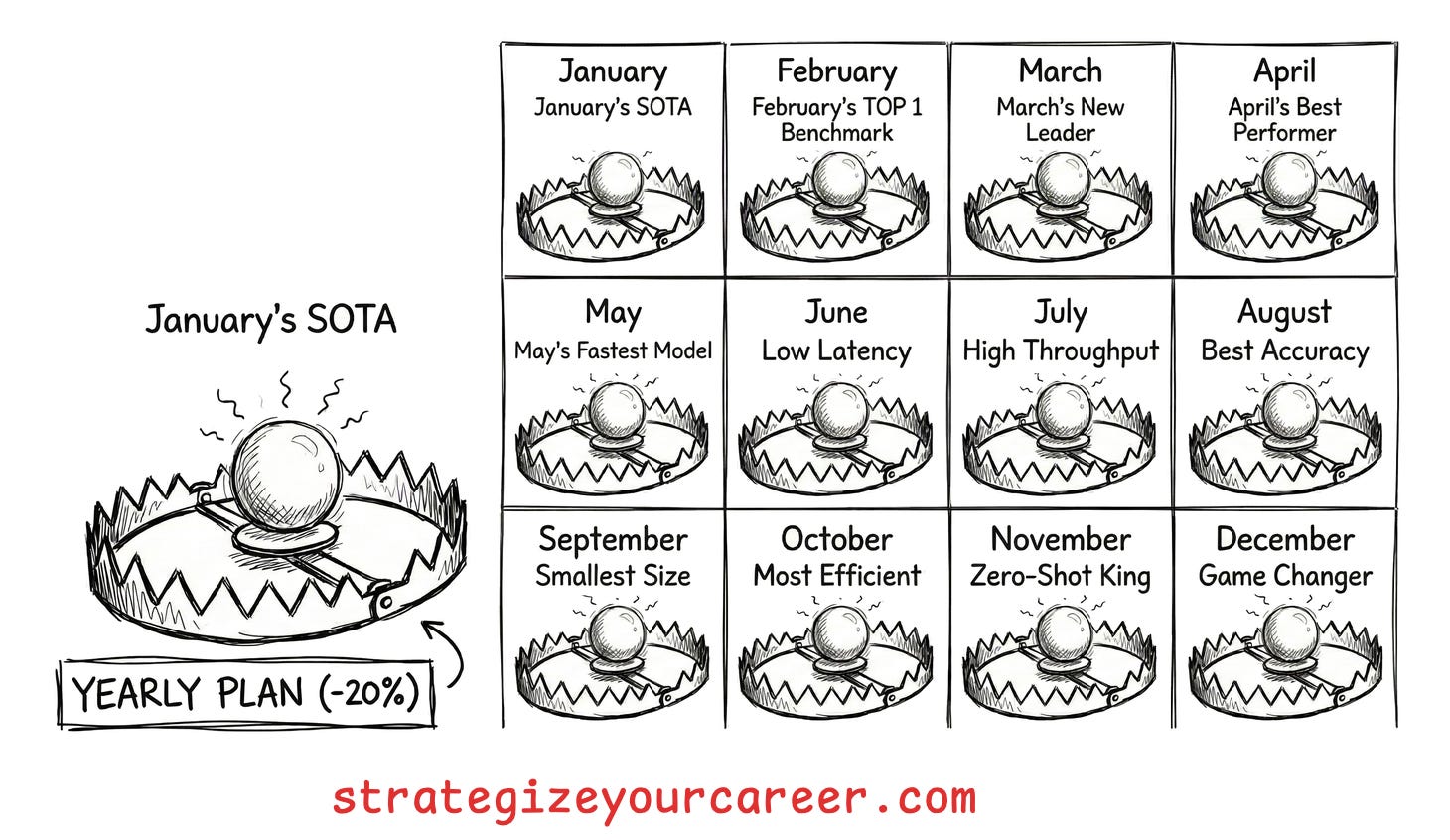
Never commit to a yearly subscription for an AI tool, even if the company offers a twenty percent discount. Software moves too fast for long-term pricing plans to make sense for individuals. If a tool rises fast, it can fall just as quickly. Flexibility is king in this environment. You must retain the ability to jump to a new tool.
Rule #2: Workflow > Benchmarks
Do not switch tools just because a company releases a new model with slightly higher numbers on a leaderboard. Ignore the PR hype from companies (and from people on social media). You should prioritize the user/developer experience over benchmarks.
A model can have a better score in a benchmark for two reasons
The model is really more intelligent
The benchmark is saturated. New models are trained in similar problems, and the benchmark is not a good measure of a model’s intelligence anymore
Using Cursor with an older model will likely be superior to pasting code into a smarter web-based chat. The deep integration with your IDE saves more time than a slightly smarter model.
And even if a web-based model is truly better, you can use it to create a plan and then move back to your AI-powered editor. Do not break a workflow that works for you just to try the new hype. I tried Raycast only to realize I prefer the workflow I already have in Alfred; the effort of switching wasn’t worth the potential incremental gain.
Avoid the shiny object syndrome